

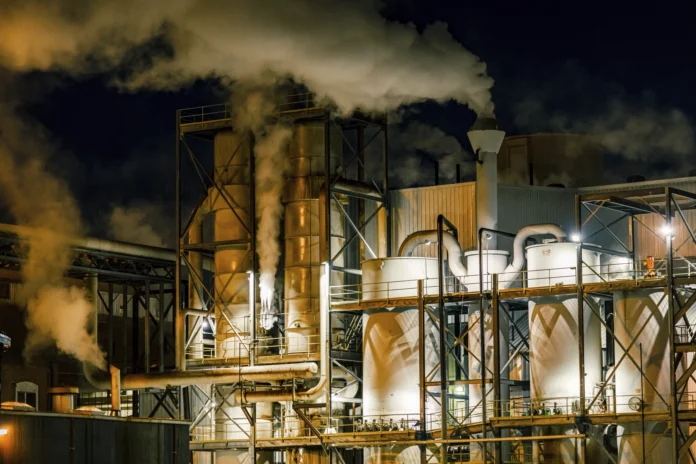
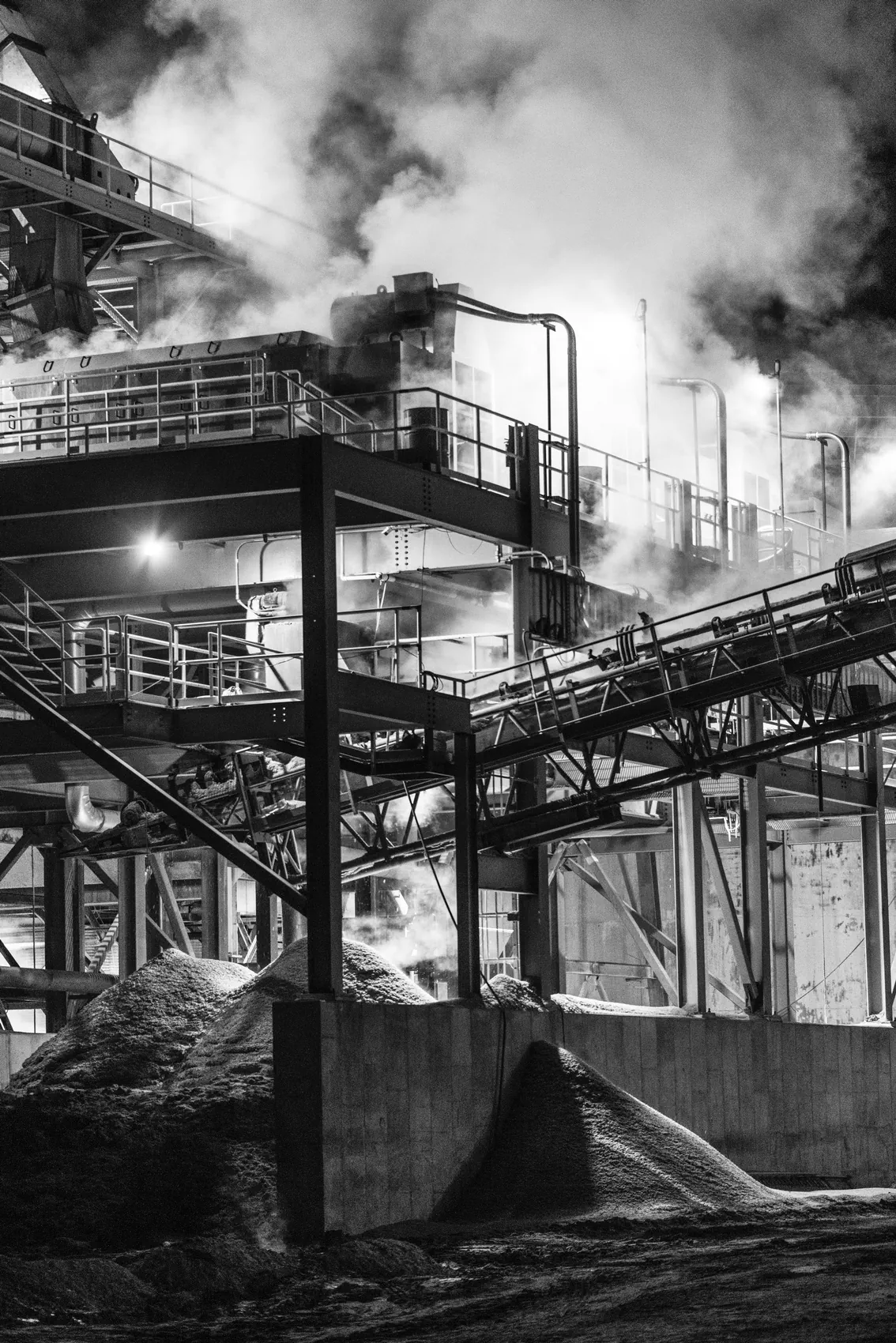
For more than a century, sugar beets have helped define the agricultural backbone of western Nebraska and northern Colorado. Generations of farm families have relied on the crop to pay mortgages and put kids through college. The sprawling factories in towns like Scottsbluff, Gering, and Fort Morgan have long been symbols of rural industry — steam stacks billowing, trucks lined up with harvest loads, the air tinged with the earthy scent of beets.
But behind the tradition lies a complicated truth. The same facilities that helped build local economies have also left a legacy of pollution — air thick with odors and particulates, rivers touched by industrial wastewater, and coal ash ponds quietly leaching risk into the soil. It’s a cost often hidden behind jobs and heritage, but one the region can no longer afford to ignore.
How Sugar Beet Processing Works — and Why It Pollutes
Sugar production from beets is an energy-hungry, water-intensive process. After harvest, beets are washed to remove dirt, sliced into thin “cossettes,” and soaked to draw out sugar. The juice is treated with lime and carbon dioxide to remove impurities, then boiled down, crystallized, and dried into granulated sugar.
Every step leaves behind waste:
- Muddy wash water and beet tails.
- Calcium carbonate sludge called “spent lime.”
- Odorous lagoons of biological waste.
- Steam boiler emissions — and in older plants, coal ash from fuel once considered cheap and plentiful.
For decades, the region’s sugar plants fired massive coal boilers to generate the steam needed for the campaign season. Those boilers produced fly ash and bottom ash, which, if not carefully stored, can leak heavy metals into groundwater and nearby rivers. The wastewater lagoons designed to hold process water often struggle during the intense harvest run, leading to spills, odors, and contamination.
A Troubled Environmental Record
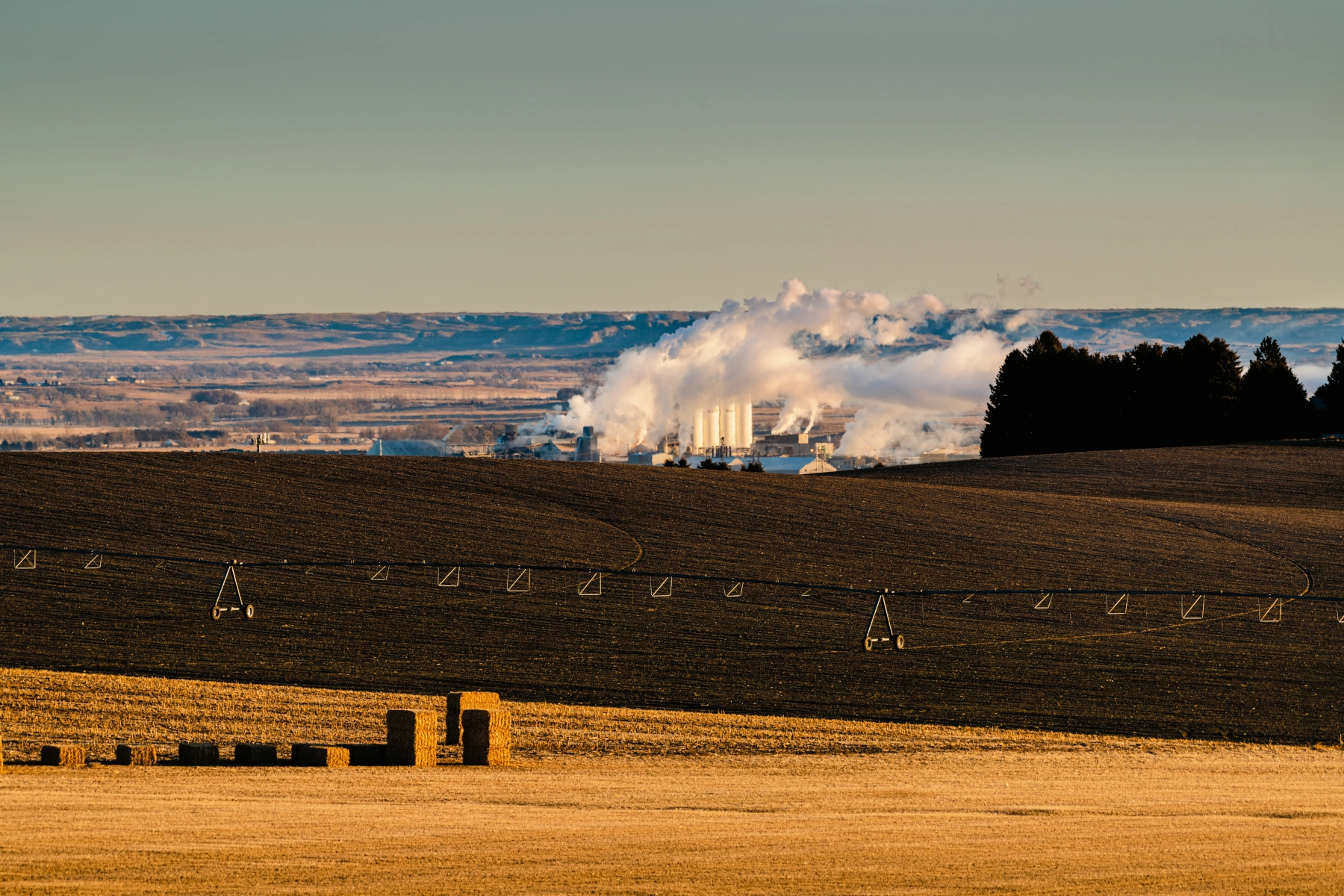
The environmental track record of sugar production here isn’t theoretical — it’s written in enforcement actions and community complaints.
Fort Morgan, Colorado: A Wake-Up Call
In Fort Morgan, locals long joked about the “beet smell.” But by 2017, the odor wasn’t funny anymore. It was overwhelming — a foul stench compared to rotting waste or worse. Residents raised alarms, and state regulators found more than just smell. Investigations revealed air quality violations, wastewater discharges exceeding limits for bacteria and sulfide, and solid-waste management failures.
The outcome was one of the largest environmental enforcement cases in Colorado agriculture: a two-million-dollar penalty and a legally binding plan requiring upgrades to air, water, and waste systems. It was a message — the old ways of running a sugar factory would no longer pass quietly.
Scottsbluff and Gering, Nebraska: Lessons a Decade Earlier
Across the state line, the Scottsbluff plant had its own reckoning years earlier. Federal regulators cited the facility for discharging wastewater with excessive bacteria into the North Platte River. The company paid fines and was ordered to invest hundreds of thousands of dollars in plant upgrades to better control waste streams and conserve water.
Since then, Nebraska’s environmental agency has tightened discharge permits, requiring more careful lagoon management and monitoring. Yet the fundamental challenges remain: seasonal surges in production push treatment systems to the edge, and any misstep flows directly toward one of the Plains’ most important rivers.
Coal Ash: An Overlooked Hazard
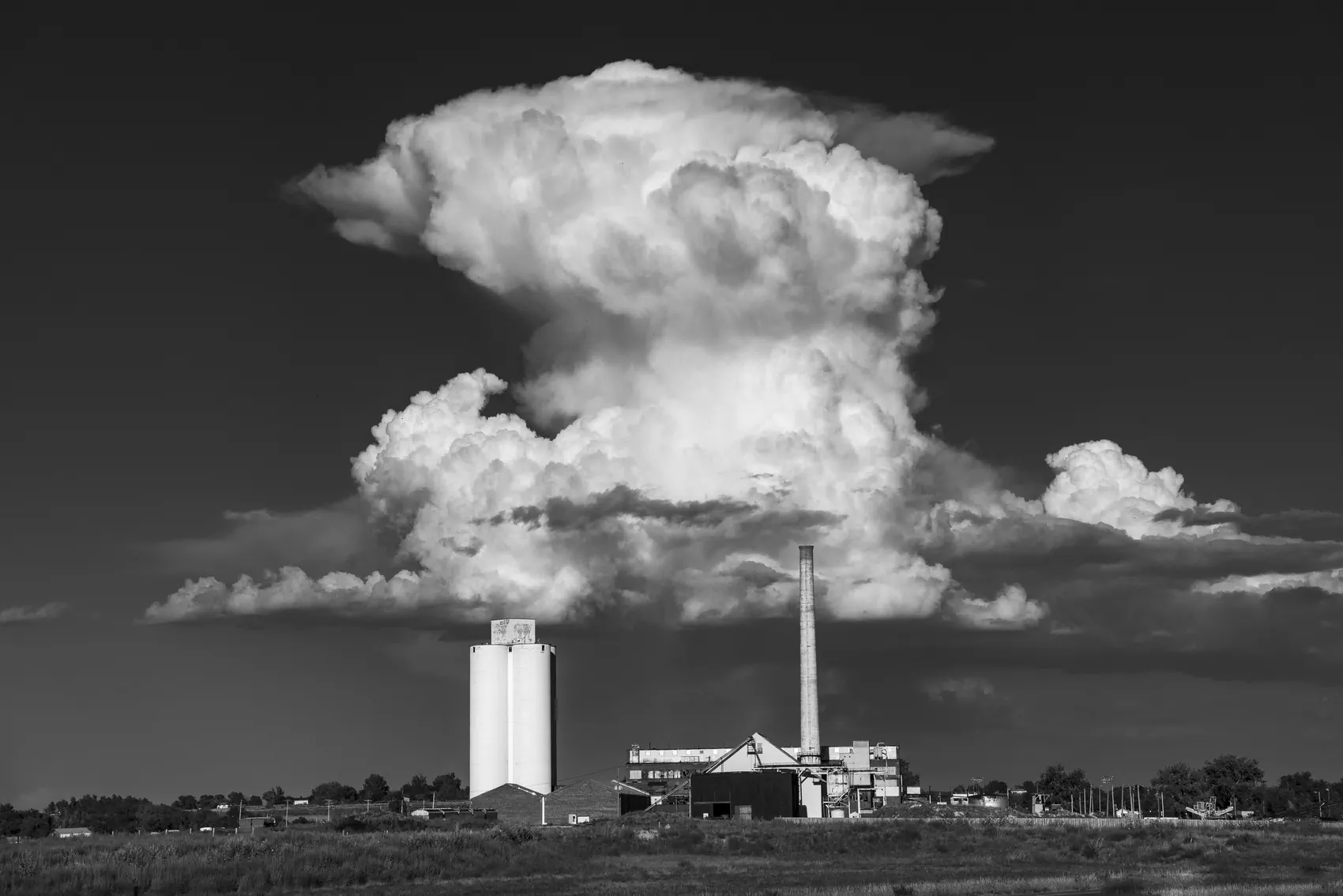
Coal ash may sound like a power-plant problem, but it’s just as real at any facility that burns coal — including sugar factories. For decades, plants flushed ash into large ponds, letting solids settle while water evaporated. The practice was cheap, but dangerous. Coal ash contains arsenic, selenium, boron, and other trace metals that can poison groundwater and harm aquatic life.
When ponds leak, overtop during heavy rains, or lack proper liners, contamination can spread quietly and persist for decades. The risk isn’t abstract; the science on coal ash toxicity is clear. Yet many older industrial sites — including food processors — still wrestle with aging ash basins and the cost of closing or remediating them.
For western Nebraska and northern Colorado, where groundwater and rivers sustain both agriculture and towns, the stakes are high. Once contamination sets in, cleanup is complex and expensive.
Five Ways Sugar Plants Harm the Environment
- Coal Ash and Heavy Metals
Burning coal creates tons of ash. Poorly lined or maintained ponds can leach arsenic, selenium, and other toxins into water supplies. - Air Pollution and Odor
Coal boilers emit particulates and hazardous pollutants. Meanwhile, overloaded lagoons can turn septic, releasing hydrogen sulfide — the “rotten egg” smell Fort Morgan residents know too well. - Nutrient and Bacteria Discharges
When process water bypasses treatment or mixes with stormwater, rivers can see spikes in fecal bacteria, sulfide, and ammonia — stressing ecosystems and threatening human health. - Solid Waste and Lime Piles
Spent lime and beet residue, when mishandled, can create dust, alter soil chemistry, and contaminate runoff. - Aging Infrastructure
Seasonal sugar campaigns push old equipment and treatment systems beyond capacity. Breakdowns lead directly to spills, odors, and permit violations.
A Path Forward — If There’s Will
None of this is inevitable. Modern technology and better management can make sugar production far cleaner than it has been.
- Retire Coal-Fired Boilers
Natural gas or electric boilers eliminate ash entirely and cut air pollution. Many food plants have already made the switch. - Properly Close or Upgrade Ash Ponds
Old basins can be lined, capped, or remediated with proven engineering practices to protect groundwater. - Control Lagoons and Odors
Better aeration, solids separation, and covering can stop hydrogen sulfide and keep communities breathing easy. - Stabilize and Cover Solids
Managing lime and beet waste piles responsibly prevents dust, alkaline runoff, and nuisance conditions. - Measure, Report, and Be Transparent
Sharing air and water data with the public builds trust and keeps companies accountable.
These aren’t radical ideas — they’re industry best practices. The only barrier is the willingness to invest in cleaner systems instead of treating fines as just another operating expense.
Tradition Meets Accountability
Sugar beet farming is deeply woven into the cultural and economic fabric of the High Plains. But tradition can’t excuse pollution. The legacy of fines and regulatory orders in Fort Morgan and Scottsbluff shows what happens when companies run plants as if the rivers and communities around them don’t matter.
Western Nebraska and northern Colorado don’t need to abandon sugar. They need to demand better from the companies that process it. Cleaner energy, safer waste management, and transparency aren’t luxuries — they’re the price of doing business in a world that values both heritage and health.
The question isn’t whether sugar beets belong here. They do. The question is whether we’ll keep producing them the old, dirty way — or insist on a future where the sweetness of the crop doesn’t leave a bitter aftertaste in our water, air, and soil.
References and research
- EPA News Release (Aug. 23, 2010): Western Sugar Cooperative to Pay $56,736 Penalty and Upgrade Scottsbluff Plant
- EPA Region 8 Administrative Compliance Order (CAA-08-2014-0015): Fort Morgan, CO & Billings, MT Boilers
- EPA Enforcement Docket Summary: Western Sugar Cooperative (Closed Feb. 6, 2017)
- Montana DEQ MPDES Fact Sheet (July 2, 2019): Western Sugar Cooperative, Billings – Ash Pond/Outfalls
- Montana DEQ Environmental Assessment (2009): Process Wastewater from Beet Washing, Lime, and Ash Ponds
- KUNC (May 22, 2018): Foul Stench, Air & Water Infractions Lead To Large Fine For Colorado Sugar Refinery
- Associated Press (May 19, 2018): Smelly Sugar Plant Owner Agrees to $2M Settlement in Colorado
- 9NEWS (May 18, 2018): Western Sugar Fined $2 Million for Foul-Smelling Fort Morgan Plant
- KNEP/KNOP (May 19, 2018): Western Sugar Reaches Settlement Over Environmental Violations at Fort Morgan
- Nebraska DWEE Public Notice (Mar. 12, 2024): Class I Air Operating Permit – Removal of Coal-Fired Boilers
- Nebraska DWEE Public Notice: The Western Sugar Cooperative – Scottsbluff (Draft Permit Info)
- EPA: Nebraska NPDES Permits Overview (Link to NDEE Permit Listings)
- City of Fort Morgan Council Minutes (June 5, 2018): MOU with Western Sugar on Wastewater & Odor Issues
- EPA: Coal Combustion Residuals (CCR) Basics
- EPA Fact Sheet (June 2023): Coal Ash Contains Contaminants; Risks Without Proper Management
- EPA Fact Sheet (Apr. 2024): Legacy CCR Surface Impoundments – Health & Water Risks
- Earthjustice: Mapping the Coal Ash Contamination (National Context)
- USGS Fact Sheet (2015): Trace Elements in Coal Ash (As, Se, Cd, etc.)
- Congressional Research Service (R41341): Coal Combustion Waste—Leaching to Groundwater